





No results were found for the filter!

- digitale RGB LED mit integriertem Controller
- Stromversorgung: 4,5-6V DC
- Unterstützt 256 Dimmstufen pro Farbkanal
- LED Größe: 5mm
- Kann direkt mit einem Mikrocontroller (Raspberry Pi, Arduino...) angesteuert werden
- Stromversorgung: 4,5-6V DC
- Unterstützt 256 Dimmstufen pro Farbkanal
- LED Größe: 5mm
- Kann direkt mit einem Mikrocontroller (Raspberry Pi, Arduino...) angesteuert werden
Article no.: PL9823-F5


- Dioden-Typ: IR Sender
- Durchmesser LED-Diode: 5mm
- Wellenlänge λd: 940nm
- Diodenlinse: blau- grau, transparent
- Optische Leistung: 210mW
- Leuchtwinkel: 17°
- Montage: THT
- Durchmesser LED-Diode: 5mm
- Wellenlänge λd: 940nm
- Diodenlinse: blau- grau, transparent
- Optische Leistung: 210mW
- Leuchtwinkel: 17°
- Montage: THT
Article no.: TSAL6200

Der TCRT5000 ist ein reflektierender Sensor. Dazu gehören ein Infrarot-Emitter und ein Fototransistor in einem Gehäuse, das sichtbares Licht blockiert. Das Gehäuse umfasst zwei Befestigungsclips.
Article no.: TCRT5000

- Dioden-Typ: IR Sender
- Durchmesser LED-Diode: 5mm
- Diodenlinse: blau
- Optische Leistung: 7.8...85mW/sr
- Leuchtwinkel: 20°
- Wellenlänge im Punkt der max. Sensibilität: 940nm
- Montage: THT
- LED Diodenstrom: 100mA
- Front: gewölbt
- Max. Leistung: 150mW
- Betriebsspannung: 1.2...1.8V
- Durchmesser LED-Diode: 5mm
- Diodenlinse: blau
- Optische Leistung: 7.8...85mW/sr
- Leuchtwinkel: 20°
- Wellenlänge im Punkt der max. Sensibilität: 940nm
- Montage: THT
- LED Diodenstrom: 100mA
- Front: gewölbt
- Max. Leistung: 150mW
- Betriebsspannung: 1.2...1.8V
Article no.: IR333-A


- Dioden-Typ: LED
- Durchmesser LED-Diode: 5mm
- LED-Farbdioden: gelb (yolk)
- Leuchtwinkel: 15°
- Diodenlinse: transparent
- LED Diodenstrom: 20mA
- Montage: THT
- Front: gewölbt
- Stimulus-Werte: x: 0.45; y: 0.47
- Helligkeit: 7.7...8.2lm
- Betriebsspannung: 2.8...3.6V
- Durchmesser LED-Diode: 5mm
- LED-Farbdioden: gelb (yolk)
- Leuchtwinkel: 15°
- Diodenlinse: transparent
- LED Diodenstrom: 20mA
- Montage: THT
- Front: gewölbt
- Stimulus-Werte: x: 0.45; y: 0.47
- Helligkeit: 7.7...8.2lm
- Betriebsspannung: 2.8...3.6V
Article no.: OSCM4L5111A

Das KY-011 Modul ist mit einer Bi-Color LED ausgestattet, die in den Farben rot und grün leuchten kann. Die LED besitzt eine gemeinsamer Kathode. Je nach Eingangsspannung, werden Vorwiderstände benötigt.
Article no.: KY-011

- Dioden-Typ: LED
- Durchmesser LED-Diode: 5mm
- LED-Farbdioden: gelb-grün
- Helligkeit: 10...15mcd
- Leuchtwinkel: 30°
- Wellenlänge λd: 565...575nm
- Diodenlinse: diffus, grün
- LED Diodenstrom: 20mA
- Montage: THT
- Front: gewölbt
- Ausgangsraster: 2.54mm
- Betriebsspannung: 1.8...2.4V
- Durchmesser LED-Diode: 5mm
- LED-Farbdioden: gelb-grün
- Helligkeit: 10...15mcd
- Leuchtwinkel: 30°
- Wellenlänge λd: 565...575nm
- Diodenlinse: diffus, grün
- LED Diodenstrom: 20mA
- Montage: THT
- Front: gewölbt
- Ausgangsraster: 2.54mm
- Betriebsspannung: 1.8...2.4V
Article no.: LED5-G-LC

- Dioden-Typ: LED
- Durchmesser LED-Diode: 5mm
- LED-Farbdioden: kaltweiß
- Helligkeit: 75000mcd
- Leuchtwinkel: 15°
- Diodenlinse: transparent
- LED Diodenstrom: 50mA
- Montage: THT
- Front: gewölbt
- Ausgangsraster: 2.54mm
- Stimulus-Werte: x: 0.27; y: 0.28
- Farbtemperatur: 8500-18000K
- Betriebsspannung: 3...3.8V
- Durchmesser LED-Diode: 5mm
- LED-Farbdioden: kaltweiß
- Helligkeit: 75000mcd
- Leuchtwinkel: 15°
- Diodenlinse: transparent
- LED Diodenstrom: 50mA
- Montage: THT
- Front: gewölbt
- Ausgangsraster: 2.54mm
- Stimulus-Werte: x: 0.27; y: 0.28
- Farbtemperatur: 8500-18000K
- Betriebsspannung: 3...3.8V
Article no.: OSW54L5111P
- Dioden-Typ: LED
- Durchmesser LED-Diode: 5mm
- LED-Farbdioden: RGB
- LED Diodenausführung: blinkend, dreifarbig
- Leuchtwinkel: 30°
- Wellenlänge λd: 465...475nm, 520...530nm, 620...630nm
- Montage: THT
- LED Diodenstrom: 20mA
- Diodenlinse: transparent
- Front: gewölbt
- Ausgangsraster: 2.54mm
- Helligkeit der Farbe rot: 7000...8400mcd
- Helligkeit der Farbe blau: 3000...4000mcd
- Helligkeit der Farbe grün: 12000...14400mcd
- Betriebsspannung: 3.8...5V
- Durchmesser LED-Diode: 5mm
- LED-Farbdioden: RGB
- LED Diodenausführung: blinkend, dreifarbig
- Leuchtwinkel: 30°
- Wellenlänge λd: 465...475nm, 520...530nm, 620...630nm
- Montage: THT
- LED Diodenstrom: 20mA
- Diodenlinse: transparent
- Front: gewölbt
- Ausgangsraster: 2.54mm
- Helligkeit der Farbe rot: 7000...8400mcd
- Helligkeit der Farbe blau: 3000...4000mcd
- Helligkeit der Farbe grün: 12000...14400mcd
- Betriebsspannung: 3.8...5V
Article no.: OST1MA5A31A
- Dioden-Typ: LED
- Durchmesser LED-Diode: 3mm
- LED-Farbdioden: RGB
- LED Diodenausführung: blinkend, dreifarbig
- Leuchtwinkel: 30°
- Wellenlänge λd: 465...475nm, 520...530nm, 619...629nm
- Montage: THT
- LED Diodenstrom: 20mA
- Diodenlinse: transparent
- Front: gewölbt
- Ausgangsraster: 2.54mm
- Helligkeit der Farbe rot: 4200...5000mcd
- Helligkeit der Farbe blau: 2180...3000mcd
- Helligkeit der Farbe grün: 4200...5000mcd
- Betriebsspannung: 3.8...5V
- Durchmesser LED-Diode: 3mm
- LED-Farbdioden: RGB
- LED Diodenausführung: blinkend, dreifarbig
- Leuchtwinkel: 30°
- Wellenlänge λd: 465...475nm, 520...530nm, 619...629nm
- Montage: THT
- LED Diodenstrom: 20mA
- Diodenlinse: transparent
- Front: gewölbt
- Ausgangsraster: 2.54mm
- Helligkeit der Farbe rot: 4200...5000mcd
- Helligkeit der Farbe blau: 2180...3000mcd
- Helligkeit der Farbe grün: 4200...5000mcd
- Betriebsspannung: 3.8...5V
Article no.: OST1MA3131A

- Dioden-Typ: LED
- LED Diodenausführung: im Gehäuse, zweifarbig
- LED-Farbdioden: rot/gelb-grün
- Montage: THT
- Durchmesser LED-Diode: 3mm
- Front: gewölbt
- Anzahl Dioden: 2
- LED Diodenstrom: 20mA
- Diodenlinse: diffus
- Leuchtwinkel: 30°
- Wellenlänge λd: 565...575nm, 630...650nm
- Helligkeit der Farbe grün: 68...100mcd
- Helligkeit der Farbe rot: 100...150mcd
- Betriebsspannung: 1.8...2.6/1.8...2.6V
- LED Diodenausführung: im Gehäuse, zweifarbig
- LED-Farbdioden: rot/gelb-grün
- Montage: THT
- Durchmesser LED-Diode: 3mm
- Front: gewölbt
- Anzahl Dioden: 2
- LED Diodenstrom: 20mA
- Diodenlinse: diffus
- Leuchtwinkel: 30°
- Wellenlänge λd: 565...575nm, 630...650nm
- Helligkeit der Farbe grün: 68...100mcd
- Helligkeit der Farbe rot: 100...150mcd
- Betriebsspannung: 1.8...2.6/1.8...2.6V
Article no.: OSRGLX3E34X

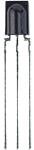
Dieser IR-Empfänger ist mit 38kHz perfekt abgestimmt um zum Beispiel Befehle einer TV-Fernbedienung zu empfangen.
Article no.: TSOP38238


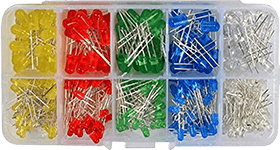
Dieses Set enthält 5 verschiedene Typen LEDs in jeweils 2 Größen.
Article no.: LED35-KIT


10 Segment LED-Anzeige bestehend aus 10 rechteckigen LEDs, hintereinander angeordnet. Die Leiste besteht aus 2 roten, 3 gelben, 4 grünen und 1 blauen LED(s). Durch die spezielle Anordnung und das Design ist die LED Anzeige ideal für den Bau von Ladeanzeigen geeignet.
Article no.: LED-BAR-10B


- Dioden-Typ: LED
- Durchmesser LED-Diode: 5mm
- LED-Farbdioden: gelb
- Helligkeit: 0.8...3.2mcd
- Leuchtwinkel: 60°
- Wellenlänge λd: 588nm
- Diodenlinse: diffus, gelb
- LED Diodenstrom: 2mA
- Montage: THT
- Front: gewölbt
- Ausgangsraster: 2.54mm
- Betriebsspannung: 2.1...2.5V
- Durchmesser LED-Diode: 5mm
- LED-Farbdioden: gelb
- Helligkeit: 0.8...3.2mcd
- Leuchtwinkel: 60°
- Wellenlänge λd: 588nm
- Diodenlinse: diffus, gelb
- LED Diodenstrom: 2mA
- Montage: THT
- Front: gewölbt
- Ausgangsraster: 2.54mm
- Betriebsspannung: 2.1...2.5V
Article no.: L-53LYD

- Dioden-Typ: LED
- Durchmesser LED-Diode: 3mm
- LED-Farbdioden: grün
- Helligkeit: 0.7...2mcd
- Leuchtwinkel: 60°
- Wellenlänge λd: 565nm
- Diodenlinse: diffus, grün
- LED Diodenstrom: 2mA
- Montage: THT
- Front: gewölbt
- Ausgangsraster: 2.54mm
- Betriebsspannung: 2.2...2.5V
- Durchmesser LED-Diode: 3mm
- LED-Farbdioden: grün
- Helligkeit: 0.7...2mcd
- Leuchtwinkel: 60°
- Wellenlänge λd: 565nm
- Diodenlinse: diffus, grün
- LED Diodenstrom: 2mA
- Montage: THT
- Front: gewölbt
- Ausgangsraster: 2.54mm
- Betriebsspannung: 2.2...2.5V
Article no.: L-934LGD

- Dioden-Typ: LED
- Durchmesser LED-Diode: 5mm
- LED-Farbdioden: grün
- Helligkeit: 0.8...3.2mcd
- Leuchtwinkel: 60°
- Wellenlänge λd: 568nm
- Diodenlinse: diffus, grün
- LED Diodenstrom: 2mA
- Montage: THT
- Front: gewölbt
- Ausgangsraster: 2.54mm
- Betriebsspannung: 2.2...2.5V
- Durchmesser LED-Diode: 5mm
- LED-Farbdioden: grün
- Helligkeit: 0.8...3.2mcd
- Leuchtwinkel: 60°
- Wellenlänge λd: 568nm
- Diodenlinse: diffus, grün
- LED Diodenstrom: 2mA
- Montage: THT
- Front: gewölbt
- Ausgangsraster: 2.54mm
- Betriebsspannung: 2.2...2.5V
Article no.: L-53LGD

- Dioden-Typ: LED
- Durchmesser LED-Diode: 5mm
- LED-Farbdioden: warmweiß
- Helligkeit: 40000mcd
- Leuchtwinkel: 15°
- Diodenlinse: transparent
- LED Diodenstrom: 50mA
- Montage: THT
- Front: gewölbt
- Ausgangsraster: 2.54mm
- Stimulus-Werte: x: 0.45; y: 0.41
- Betriebsspannung: 3...3.8V
- Durchmesser LED-Diode: 5mm
- LED-Farbdioden: warmweiß
- Helligkeit: 40000mcd
- Leuchtwinkel: 15°
- Diodenlinse: transparent
- LED Diodenstrom: 50mA
- Montage: THT
- Front: gewölbt
- Ausgangsraster: 2.54mm
- Stimulus-Werte: x: 0.45; y: 0.41
- Betriebsspannung: 3...3.8V
Article no.: OSM54L5111P


- Dioden-Typ: LED
- Durchmesser LED-Diode: 5mm
- LED-Farbdioden: rot/grün
- Leuchtwinkel: 60°
- Wellenlänge λd: 565nm, 625nm
- Diodenlinse: diffus, weiß
- LED Diodenstrom: 20mA
- Montage: THT
- Front: gewölbt
- Ausgangsraster: 2.54mm
- Anzahl Ausgänge: 3
- LED Diodenausführung: zweifarbig
- Helligkeit der Farbe rot: 60mcd
- Gemeinsame Elektrode: Kathode
- Helligkeit der Farbe grün: 50mcd
- Betriebsspannung: 2...2.5/2.2...2.5V
- Durchmesser LED-Diode: 5mm
- LED-Farbdioden: rot/grün
- Leuchtwinkel: 60°
- Wellenlänge λd: 565nm, 625nm
- Diodenlinse: diffus, weiß
- LED Diodenstrom: 20mA
- Montage: THT
- Front: gewölbt
- Ausgangsraster: 2.54mm
- Anzahl Ausgänge: 3
- LED Diodenausführung: zweifarbig
- Helligkeit der Farbe rot: 60mcd
- Gemeinsame Elektrode: Kathode
- Helligkeit der Farbe grün: 50mcd
- Betriebsspannung: 2...2.5/2.2...2.5V
Article no.: L-59EGW

- Dioden-Typ: LED
- Durchmesser LED-Diode: 5mm
- LED-Farbdioden: rot
- Helligkeit: 50...200mcd
- Leuchtwinkel: 30°
- Wellenlänge λd: 625nm
- Diodenlinse: transparent
- LED Diodenstrom: 20mA
- Montage: THT
- Front: gewölbt
- Betriebsspannung: 2...2.5V
- Durchmesser LED-Diode: 5mm
- LED-Farbdioden: rot
- Helligkeit: 50...200mcd
- Leuchtwinkel: 30°
- Wellenlänge λd: 625nm
- Diodenlinse: transparent
- LED Diodenstrom: 20mA
- Montage: THT
- Front: gewölbt
- Betriebsspannung: 2...2.5V
Article no.: L-53EC

- Dioden-Typ: LED
- Durchmesser LED-Diode: 5mm
- LED-Farbdioden: rot
- Helligkeit: 0.8...5mcd
- Leuchtwinkel: 60°
- Wellenlänge λd: 625nm
- Diodenlinse: diffus, rot
- LED Diodenstrom: 2mA
- Montage: THT
- Front: gewölbt
- Ausgangsraster: 2.54mm
- Betriebsspannung: 2...2.5V
- Durchmesser LED-Diode: 5mm
- LED-Farbdioden: rot
- Helligkeit: 0.8...5mcd
- Leuchtwinkel: 60°
- Wellenlänge λd: 625nm
- Diodenlinse: diffus, rot
- LED Diodenstrom: 2mA
- Montage: THT
- Front: gewölbt
- Ausgangsraster: 2.54mm
- Betriebsspannung: 2...2.5V
Article no.: L-53LID

- Dioden-Typ: LED
- Durchmesser LED-Diode: 3mm
- LED-Farbdioden: rot
- Helligkeit: 0.8...5mcd
- Leuchtwinkel: 60°
- Wellenlänge λd: 625nm
- Diodenlinse: diffus, rot
- LED Diodenstrom: 2mA
- Montage: THT
- Front: gewölbt
- Ausgangsraster: 2.54mm
- Betriebsspannung: 1.75...2.5V
- Durchmesser LED-Diode: 3mm
- LED-Farbdioden: rot
- Helligkeit: 0.8...5mcd
- Leuchtwinkel: 60°
- Wellenlänge λd: 625nm
- Diodenlinse: diffus, rot
- LED Diodenstrom: 2mA
- Montage: THT
- Front: gewölbt
- Ausgangsraster: 2.54mm
- Betriebsspannung: 1.75...2.5V
Article no.: L-934LID
- Dioden-Typ: LED
- Durchmesser LED-Diode: 5mm
- LED-Farbdioden: gelb/weiß
- LED Diodenausführung: blinkend, zweifarbig
- Leuchtwinkel: 30°
- Wellenlänge λd: 585...595nm
- Montage: THT
- LED Diodenstrom: 20mA
- Diodenlinse: diffus, weiß
- Front: gewölbt
- Ausgangsraster: 2.54mm
- Stimulus-Werte: x: 0.31; y: 0.34
- Helligkeit der Farbe gelb: 1120...1560mcd
- Helligkeit der Farbe weiß: 1120...1560mcd
- Betriebsspannung: 3...4.5V
- Durchmesser LED-Diode: 5mm
- LED-Farbdioden: gelb/weiß
- LED Diodenausführung: blinkend, zweifarbig
- Leuchtwinkel: 30°
- Wellenlänge λd: 585...595nm
- Montage: THT
- LED Diodenstrom: 20mA
- Diodenlinse: diffus, weiß
- Front: gewölbt
- Ausgangsraster: 2.54mm
- Stimulus-Werte: x: 0.31; y: 0.34
- Helligkeit der Farbe gelb: 1120...1560mcd
- Helligkeit der Farbe weiß: 1120...1560mcd
- Betriebsspannung: 3...4.5V
Article no.: OSYWDS5A32A
- Dioden-Typ: LED
- Durchmesser LED-Diode: 5mm
- LED-Farbdioden: gelb
- LED Diodenausführung: blinkend, kerzenscheinimitierend
- Helligkeit: 4500...5800mcd
- Leuchtwinkel: 30°
- Wellenlänge λd: 585...595nm
- Montage: THT
- LED Diodenstrom: 20mA
- Diodenlinse: transparent
- Front: gewölbt
- Betriebsspannung: 2.5...5V
- Durchmesser LED-Diode: 5mm
- LED-Farbdioden: gelb
- LED Diodenausführung: blinkend, kerzenscheinimitierend
- Helligkeit: 4500...5800mcd
- Leuchtwinkel: 30°
- Wellenlänge λd: 585...595nm
- Montage: THT
- LED Diodenstrom: 20mA
- Diodenlinse: transparent
- Front: gewölbt
- Betriebsspannung: 2.5...5V
Article no.: OSY5MK5A31A
- Dioden-Typ: LED
- Durchmesser LED-Diode: 5mm
- LED-Farbdioden: blau / gelb
- LED Diodenausführung: blinkend, zweifarbig
- Leuchtwinkel: 30°
- Wellenlänge λd: 465...475nm, 585...595nm
- Montage: THT
- LED Diodenstrom: 20mA
- Diodenlinse: diffus, weiß
- Front: gewölbt
- Ausgangsraster: 2.54mm
- Helligkeit der Farbe blau: 1000...1350mcd
- Helligkeit der Farbe gelb: 2500...3500mcd
- Betriebsspannung: 3...5V
- Durchmesser LED-Diode: 5mm
- LED-Farbdioden: blau / gelb
- LED Diodenausführung: blinkend, zweifarbig
- Leuchtwinkel: 30°
- Wellenlänge λd: 465...475nm, 585...595nm
- Montage: THT
- LED Diodenstrom: 20mA
- Diodenlinse: diffus, weiß
- Front: gewölbt
- Ausgangsraster: 2.54mm
- Helligkeit der Farbe blau: 1000...1350mcd
- Helligkeit der Farbe gelb: 2500...3500mcd
- Betriebsspannung: 3...5V
Article no.: OSYBMS5A32A

- Dioden-Typ: LED
- Durchmesser LED-Diode: 1.8mm
- LED-Farbdioden: warmweiß
- Helligkeit: 2180...3000mcd
- Leuchtwinkel: 30°
- Diodenlinse: transparent
- LED Diodenstrom: 20mA
- Montage: THT
- Front: gewölbt
- Ausgangsraster: 2.54mm
- Stimulus-Werte: x: 0.45; y: 0.41
- Abmessungen: 3.3x3mm
- Betriebsspannung: 2.9...3.6V
- Durchmesser LED-Diode: 1.8mm
- LED-Farbdioden: warmweiß
- Helligkeit: 2180...3000mcd
- Leuchtwinkel: 30°
- Diodenlinse: transparent
- LED Diodenstrom: 20mA
- Montage: THT
- Front: gewölbt
- Ausgangsraster: 2.54mm
- Stimulus-Werte: x: 0.45; y: 0.41
- Abmessungen: 3.3x3mm
- Betriebsspannung: 2.9...3.6V
Article no.: OSM5DK7331A

- Dioden-Typ: LED
- Durchmesser LED-Diode: 5mm
- LED-Farbdioden: weiß (sand)
- Leuchtwinkel: 15°
- Diodenlinse: transparent
- LED Diodenstrom: 20mA
- Montage: THT
- Front: gewölbt
- Stimulus-Werte: x: 0.47; y: 0.36
- Helligkeit: 4.9...5.3lm
- Betriebsspannung: 2.8...3.6V
- Durchmesser LED-Diode: 5mm
- LED-Farbdioden: weiß (sand)
- Leuchtwinkel: 15°
- Diodenlinse: transparent
- LED Diodenstrom: 20mA
- Montage: THT
- Front: gewölbt
- Stimulus-Werte: x: 0.47; y: 0.36
- Helligkeit: 4.9...5.3lm
- Betriebsspannung: 2.8...3.6V
Article no.: OSCJ4L5111A

Lineare LED-Leiste bestehend aus 12 rechteckigen LEDs, hintereinander angeordnet. Die Leiste besteht aus 8 grünen und 4 roten LEDs. Durch die spezielle Anordnung und das Design ist die LED Anzeige ideal für den Bau von VU-Audiometern, Ladeanzeigen usw. geeignet.
Article no.: LED-BAR-12P
- Dioden-Typ: LED
- Durchmesser LED-Diode: 5mm
- LED-Farbdioden: rot/weiß
- LED Diodenausführung: blinkend, zweifarbig
- Leuchtwinkel: 30°
- Wellenlänge λd: 620...630nm
- Montage: THT
- LED Diodenstrom: 20mA
- Diodenlinse: diffus, weiß
- Front: gewölbt
- Ausgangsraster: 2.54mm
- Helligkeit der Farbe rot: 1120...1560mcd
- Stimulus-Werte: x: 0.31; y: 0.34
- Helligkeit der Farbe weiß: 1120...1560mcd
- Betriebsspannung: 3...4.5V
- Durchmesser LED-Diode: 5mm
- LED-Farbdioden: rot/weiß
- LED Diodenausführung: blinkend, zweifarbig
- Leuchtwinkel: 30°
- Wellenlänge λd: 620...630nm
- Montage: THT
- LED Diodenstrom: 20mA
- Diodenlinse: diffus, weiß
- Front: gewölbt
- Ausgangsraster: 2.54mm
- Helligkeit der Farbe rot: 1120...1560mcd
- Stimulus-Werte: x: 0.31; y: 0.34
- Helligkeit der Farbe weiß: 1120...1560mcd
- Betriebsspannung: 3...4.5V
Article no.: OSRWDS5A32A

- Dioden-Typ: LED
- Durchmesser LED-Diode: 5mm
- LED-Farbdioden: grün (mint)
- Leuchtwinkel: 15°
- Diodenlinse: transparent
- LED Diodenstrom: 20mA
- Montage: THT
- Front: gewölbt
- Stimulus-Werte: x: 0.29; y: 0.49
- Helligkeit: 8.5...9.2lm
- Betriebsspannung: 2.8...3.6V
- Durchmesser LED-Diode: 5mm
- LED-Farbdioden: grün (mint)
- Leuchtwinkel: 15°
- Diodenlinse: transparent
- LED Diodenstrom: 20mA
- Montage: THT
- Front: gewölbt
- Stimulus-Werte: x: 0.29; y: 0.49
- Helligkeit: 8.5...9.2lm
- Betriebsspannung: 2.8...3.6V
Article no.: OSC54L5111A
- Dioden-Typ: LED
- Durchmesser LED-Diode: 5mm
- LED-Farbdioden: gelb / grün
- LED Diodenausführung: blinkend, zweifarbig
- Leuchtwinkel: 30°
- Wellenlänge λd: 520...530nm, 585...595nm
- Montage: THT
- LED Diodenstrom: 20mA
- Diodenlinse: diffus, weiß
- Front: gewölbt
- Ausgangsraster: 2.54mm
- Helligkeit der Farbe grün: 5800...7000mcd
- Helligkeit der Farbe gelb: 2500...3500mcd
- Betriebsspannung: 3...5V
- Durchmesser LED-Diode: 5mm
- LED-Farbdioden: gelb / grün
- LED Diodenausführung: blinkend, zweifarbig
- Leuchtwinkel: 30°
- Wellenlänge λd: 520...530nm, 585...595nm
- Montage: THT
- LED Diodenstrom: 20mA
- Diodenlinse: diffus, weiß
- Front: gewölbt
- Ausgangsraster: 2.54mm
- Helligkeit der Farbe grün: 5800...7000mcd
- Helligkeit der Farbe gelb: 2500...3500mcd
- Betriebsspannung: 3...5V
Article no.: OSYPMS5A32A

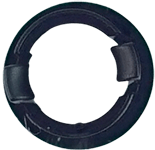
Der transparente LED Reflektor Filter ist speziell konzipiert, um die Lichtqualität zu verbessern. Er reduziert Blendung und optimiert die Lichtverteilung für eine klare und effiziente Beleuchtung.
Article no.: 24500300
- Dioden-Typ: LED
- Durchmesser LED-Diode: 5mm
- LED-Farbdioden: blau
- LED Diodenausführung: blinkend, kerzenscheinimitierend
- Helligkeit: 2000...2500mcd
- Leuchtwinkel: 30°
- Wellenlänge λd: 465...475nm
- Montage: THT
- LED Diodenstrom: 20mA
- Diodenlinse: transparent
- Front: gewölbt
- Betriebsspannung: 3...5V
- Durchmesser LED-Diode: 5mm
- LED-Farbdioden: blau
- LED Diodenausführung: blinkend, kerzenscheinimitierend
- Helligkeit: 2000...2500mcd
- Leuchtwinkel: 30°
- Wellenlänge λd: 465...475nm
- Montage: THT
- LED Diodenstrom: 20mA
- Diodenlinse: transparent
- Front: gewölbt
- Betriebsspannung: 3...5V
Article no.: OSB5SK5A31A
Viewed