






No results were found for the filter!


- Programmierbarer Digitalsensor, 18B20
- IC Outputtyp: Digital
- Fühlgenauigkeitsbereich: ± 0.5°C
- Minimale Abtastungstemperatur: -55°C
- Maximale Abtastungstemperatur: +125°C
- IC Outputtyp: Digital
- Fühlgenauigkeitsbereich: ± 0.5°C
- Minimale Abtastungstemperatur: -55°C
- Maximale Abtastungstemperatur: +125°C
Article no.: DS18B20-PROBE


Der DHT22 ist ein einfacher, kostengünstiger digitaler Temperatur- und Feuchtigkeitssensor. Er verwendet einen kapazitiven Feuchtigkeitssensor und einen Thermistor zur Messung der Umgebungsluft und gibt ein digitales Signal auf den Datenpins aus (keine analogen Eingangspins erforderlich). Er ist relativ einfach in der Anwendung, erfordert jedoch ein sorgfältiges Timing, um Daten zu erfassen. Der einzige wirkliche Nachteil dieses Sensors ist, dass man von ihm nur alle 2 Sekunden neue Daten erhalten kann, so dass die Sensormesswerte bis zu 2 Sekunden alt sein können.
Article no.: DHT22

Kleiner Step-Down Converter mit einstellbarer Ausgangsspannung
Article no.: REGA3A

Lichtsensor mit High/Low Ausgang.
Über ein Potentiometer kann die Empfindlichkeit eingestellt werden.
Über ein Potentiometer kann die Empfindlichkeit eingestellt werden.
Article no.: LIGHT-SENSOR

Der Bosch BME280 ist ein 3 in 1 Umgebungssensor und vereint die Messungen von Luftfeuchtigkeit, Luftdruck und Temperatur. Er besitzt eine digitale I2C und SPI Schnittstelle.
Article no.: GY-BME280

- Datenbereich: 0 - 65535
- Betriebsspannung: 3 - 5 V
- Anschlüsse über 5-Pin Stiftleiste (RM 2,54mm) zugänglich
- Ø Befestigungslöcher: 2,8 mm
- Abmessungen: 18,5 x 13,5 x 2,3 mm
- Betriebsspannung: 3 - 5 V
- Anschlüsse über 5-Pin Stiftleiste (RM 2,54mm) zugänglich
- Ø Befestigungslöcher: 2,8 mm
- Abmessungen: 18,5 x 13,5 x 2,3 mm
Article no.: GY-302

Diese Kamera verfügt über eine Auflösung von 5 MP und kann mit allen Raspberry Pi Modellen* verwendet werden. Sie zeichnet sich durch ein optimales Preis-/Leistungsverhältnis aus.
Article no.: RPI-CAM-A

Der DFPlayer Mini dekodiert MP3- und WAV-Dateien von einer Micro-SD-Karte. Er kann entweder über serielle Schnittstelle mit einem Arduino-Gerät, oder dank des integrierten Verstärkers direkt an einen Lautsprecher (bis 3W) angeschlossen und über Tastschalter gesteuert werden.
Article no.: DFP-MINI

Der Bosch BMP280 ist ein 2 in 1 Umgebungssensor und vereint die Messungen von Temperatur und Luftdruck. Er besitzt eine digitale I2C und SPI Schnittstelle.
Article no.: GY-BMP280

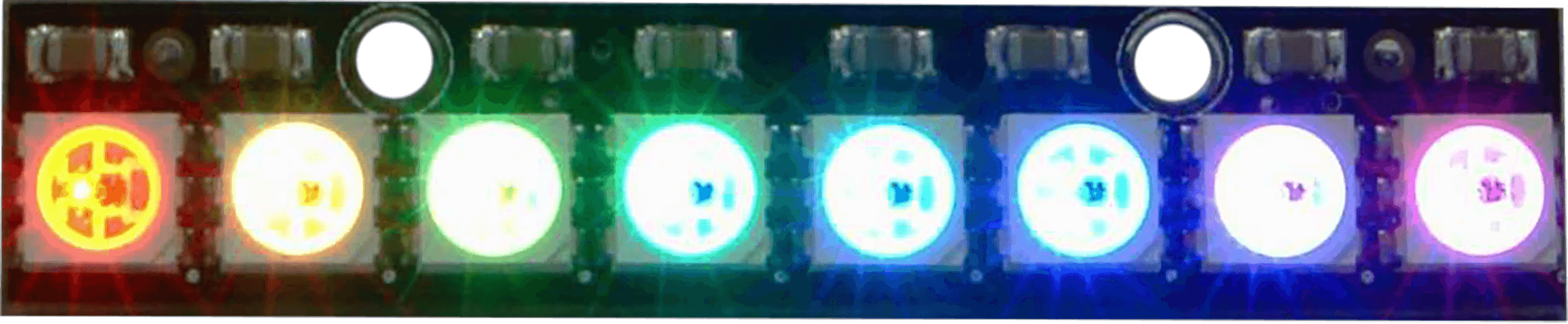
Dieser kleine, intelligente RGB LED Stick mit 8 LEDs des Typs WS2812 kann mit einem Mikrocontroller, zum Beispiel einem Arduino angesteuert werden. Es können mehrere Sticks miteinander verbunden werden.
Article no.: NEOPS8

Passende RFID Karte in Schlüsselanhängerform unter anderem mit unserem RFID-Set einsetzbar.
Auch als RFID Tag für Smartphones nutzbar. Kann zum Beispiel unter iOS zusammen mit der Kurzbefehle App genutzt werden, um eine Automation zu starten.
Auch als RFID Tag für Smartphones nutzbar. Kann zum Beispiel unter iOS zusammen mit der Kurzbefehle App genutzt werden, um eine Automation zu starten.
Article no.: RFID-CARD

Mit diesem Modul kann ein 1602 oder 2004 Display über I2C angesteuert werden. Das Modul wird dazu einfach hinter das Display gelötet.
Article no.: LCD-IIC

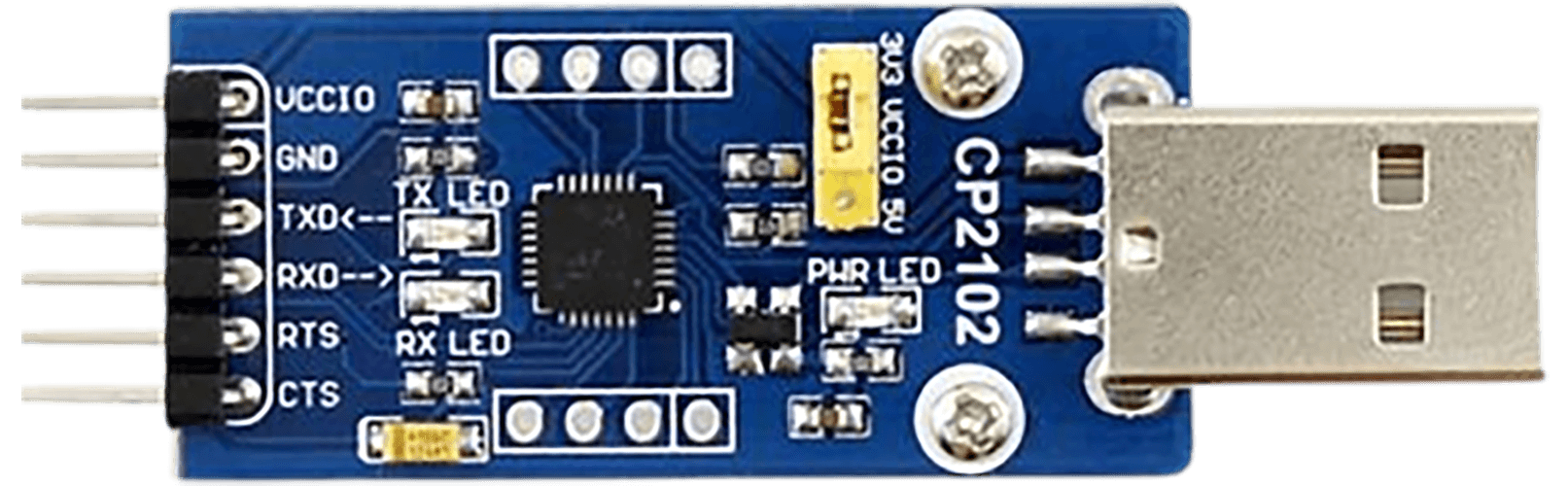
Mit diesem Kabel wird über ein Terminalprogramm am PC oder Mac der Zugriff auf den Raspberry Pi oder einen Mikrocontroller ermöglicht. Des Weiteren stellt das Kabel auch eine Stromversorgung zur Verfügung.
Article no.: K1USB-TTL

Dieser Mini-PIR-Bewegungsmelder HC-SR505 basiert auf Infrarot-Technologie und kann mit hoher Empfindlichkeit und Zuverlässigkeit gesteuert werden. Aufgrund der minimalen Größe und der energiesparenden Betriebsart eignet sich der Sensor ideal für batteriebetriebene Anwendungen.
Article no.: HC-SR505

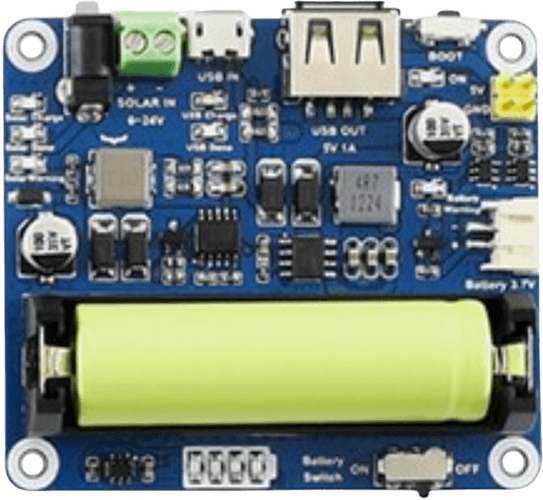
Mit dieser Ladeplatine mit TC4056 Chipsatz kann ein einzelner Lithium-Ionen oder Lithium-Polymer Akku geladen werden. Als Eingang steht hierfür wahlweise ein USB Type C Anschluss oder Lötpads zur Verfügung. Der Anschluss des Akkus erfolgt über Lötpads. Durch den zusätzlichen Ausgang und die Schutzschaltung kann ein Endgerät dauerhaft mit Strom versorgt werden.
Article no.: CHB-C-LIT1A

Das GY-250 ist ein 9-Achsen Lageerkennungsmodul dass folgende Sensoren vereint:
- 3-Achsen Gyroskop
- 3-Achsen Beschleunigungssenso
- 3-Achsen Magnetfeldsensor (Erdmagnetfeld/Kompass)
Ebenso ist ein Digital Motion Processor (DMP) in einer winzigen Gehäusegröße von nur 3x3x1mm vereint. Das Modul ist Pin-kompatibel zum Vorgänger MPU-6515 und kann über einen I2C-Bus angesprochen werden.
- 3-Achsen Gyroskop
- 3-Achsen Beschleunigungssenso
- 3-Achsen Magnetfeldsensor (Erdmagnetfeld/Kompass)
Ebenso ist ein Digital Motion Processor (DMP) in einer winzigen Gehäusegröße von nur 3x3x1mm vereint. Das Modul ist Pin-kompatibel zum Vorgänger MPU-6515 und kann über einen I2C-Bus angesprochen werden.
Article no.: GY-9250

Diese selbstklebenden RFID / NFC Tags können vielfältig eingesetzt werden, zum Beispiel als Auslöser für Smarthome Automationen, digitale Visitenkarte oder WLAN Connect Spot. Die Tags lassen sich mit RFID / NFC Lesegeräten und auch Android und iOS Smartphones auslesen und beschreiben. Unter iOS können diese zum Beispiel zusammen mit der Kurzbefehle App genutzt werden, um eine Automation zu starten.
Article no.: 125452

Diese selbstklebenden RFID / NFC Tags können vielfältig eingesetzt werden, zum Beispiel als Auslöser für Smarthome Automationen, digitale Visitenkarte oder WLAN Connect Spot. Die Tags lassen sich mit RFID / NFC Lesegeräten und auch Android und iOS Smartphones auslesen und beschreiben. Unter iOS können diese zum Beispiel zusammen mit der Kurzbefehle App genutzt werden, um eine Automation zu starten.
Article no.: 125451

Mit dieser Ladeplatine mit TC4056 Chipsatz kann ein einzelner Lithium-Ionen oder Lithium-Polymer Akku geladen werden. Als Eingang steht hierfür wahlweise ein Micro USB Typ B Anschluss oder Lötpads zur Verfügung. Der Anschluss des Akkus erfolgt über Lötpads. Durch den zusätzlichen Ausgang und die Schutzschaltung kann ein Endgerät dauerhaft mit Strom versorgt werden.
Article no.: CHB-O-LIT1A

DHT22 - Digitaler Temperatur und Luftfeuchtessensor mit Breakout Board & Jumperkabeln (F - F).
Auf dem Breakout Board ist bereits ein 5,1kOhm Pull Up Widerstand sowie ein Kondenstator zwischen GND von VCC vorhanden.
Auf dem Breakout Board ist bereits ein 5,1kOhm Pull Up Widerstand sowie ein Kondenstator zwischen GND von VCC vorhanden.
Article no.: BK-DHT22

Mit diesem 12 Bit AD-Wandler kann mittels I2C, analoge Werte ausgelesen werden.
Beispielsweise können so analoge Sensoren an Mikrocontrollern oder dem Raspberry Pi betreiben werden, die üblicherweise nur über digitale Eingänge verfügen.
Die einzelnen Kanäle lassen sich per I2C Adresse ansteuern und auslesen.
Beispielsweise können so analoge Sensoren an Mikrocontrollern oder dem Raspberry Pi betreiben werden, die üblicherweise nur über digitale Eingänge verfügen.
Die einzelnen Kanäle lassen sich per I2C Adresse ansteuern und auslesen.
Article no.: ADS1015

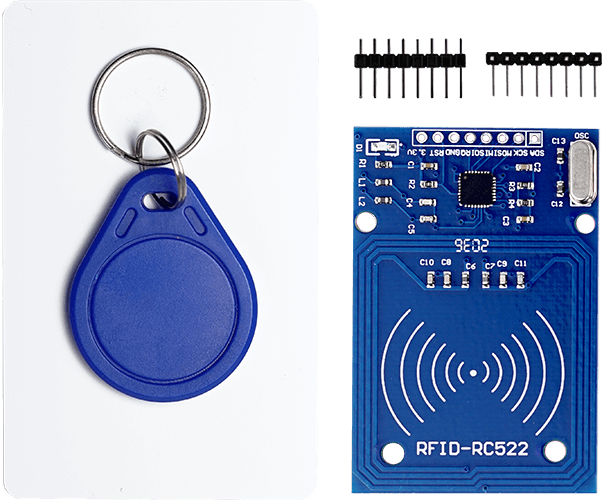
Mit diesem Set ist es möglich RFID Karten zum Beispiel mit dem Raspberry Pi auszulesen und zu beschreiben. Im Lieferumfang sind bereits 2 RFID Transponder enthalten!
Article no.: RFID-KIT

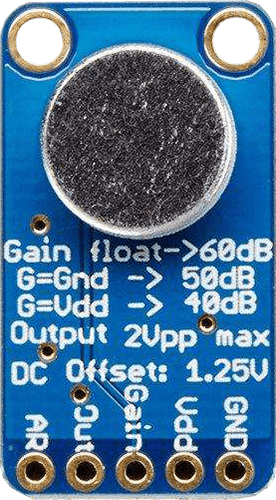
Soundsensor mit digitalem Output - universell einsetzbar!
Article no.: SOUND-SENSOR

Mit dieser Ladeplatine mit TC4056 Chipsatz kann ein einzelner Lithium-Ionen oder Lithium-Polymer Akku geladen werden. Als Eingang steht hierfür wahlweise ein Micro USB Typ B Anschluss oder Lötpads zur Verfügung. Der Anschluss des Akkus erfolgt über Lötpads.
Article no.: CHB-LIT1A

Passendes Acryl Gehäuse für Thermostat-Modul XH-W1209
Article no.: W1209-CASE

Mit diesem Verstärkermodul kann ein analoges Audiosignal für passive Lautsprecher verstärkt werden. Der Class D Verstärkerchip arbeitet Stromsparend und benötigt keine externe Kühlung.
Article no.: XH-M179

Dieses Thermostat Modul kann genutzt werden um einen Verbraucher bei einer gewünschten, definierbaren Temperatur zu schalten. Das Modul kann über die LED Anzeige mit verschiedenen Optionscodes programmiert werden.
Article no.: XH-W1209

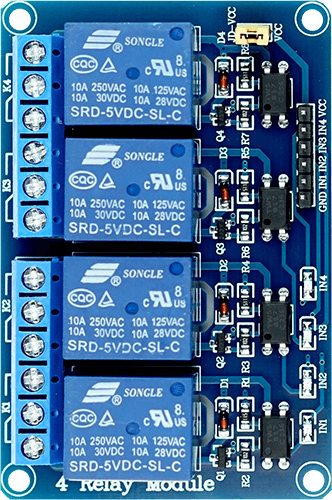
Mit diesem 4 Kanal Relais Modul können große Lasten einfach mit 5V eines Mikrocontrollers zum Beispiel Raspberry Pi, Arduino.... angesteuert / geschaltet werden. Alle Anschlüsse zum Ansteuern der Relais sind auf einer Stiftleiste zugänglich und können so einfach zum Beispiel mit Dupont Kabeln mit einem Raspberry Pi o.a. Board verbunden werden. Der Anschluss an die Relais erfolgt über Schraubklemmen.
Article no.: RELM-4

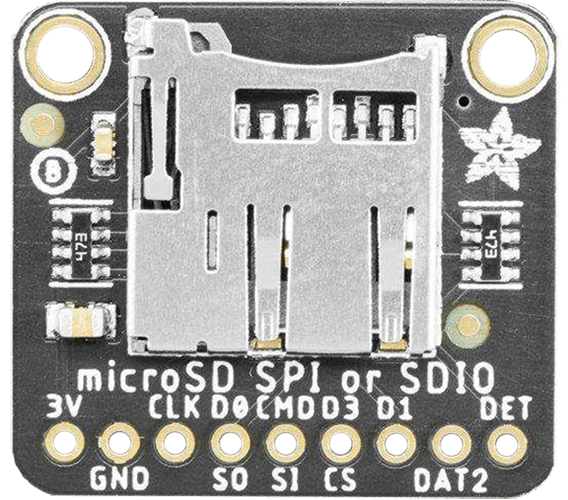
Dieses Modul ermöglicht das Lesen und Schreiben auf Micro-SD-Karte mit einem Mikrocontroller Board zum Beispiel Arduino.
Article no.: MSD-AADP

Mit diesem 8 Kanal Relais Modul können große Lasten einfach mit 5V eines Mikrocontrollers zum Beispiel Raspberry Pi, Arduino.... angesteuert / geschaltet werden. Alle Anschlüsse sind über Schraubklemmen zugänglich und können so einfach zum Beispiel mit Dupont Kabeln mit einem Raspberry Pi o.a. Board verbunden werden. Über den definierbaren Schaltpegel kann entweder mit einem High oder einem Low Pegel geschaltet werden.
Article no.: HLRELM-8


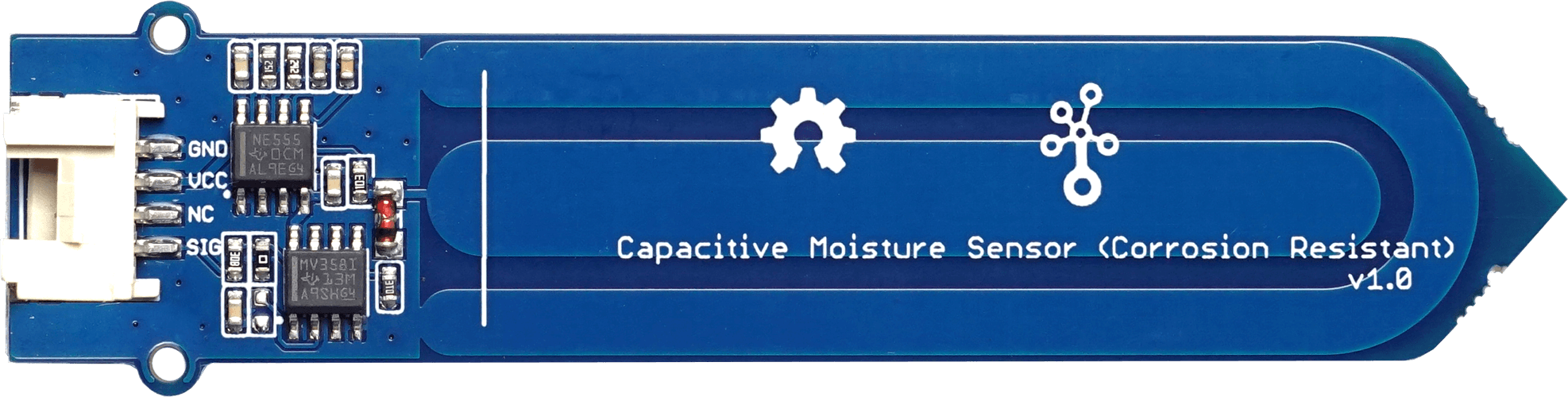
Grove - Soil Moisture Sensor can measure soil moisture for plants. The soil moisture sensor consists of two probes that allow the current to pass through the soil and then obtain resistance values to measure soil moisture content.
Article no.: SE-101020008

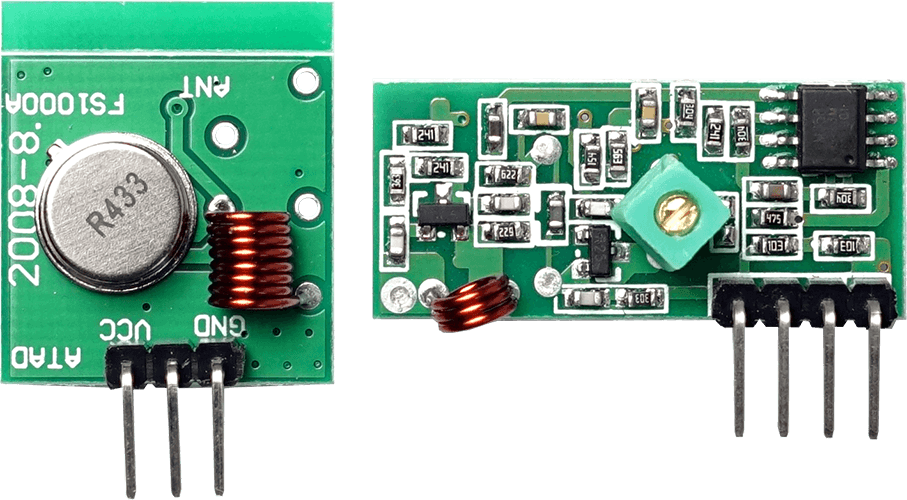
Mit diesem Set ist es möglich 433Mhz Geräte wie Funksteckdosen z. Bsp. mit dem Raspberry Pi zu schalten. Die Module wurden unter pilight getestet und können hierfür problemlos eingesetzt werden.
Article no.: FS1000A

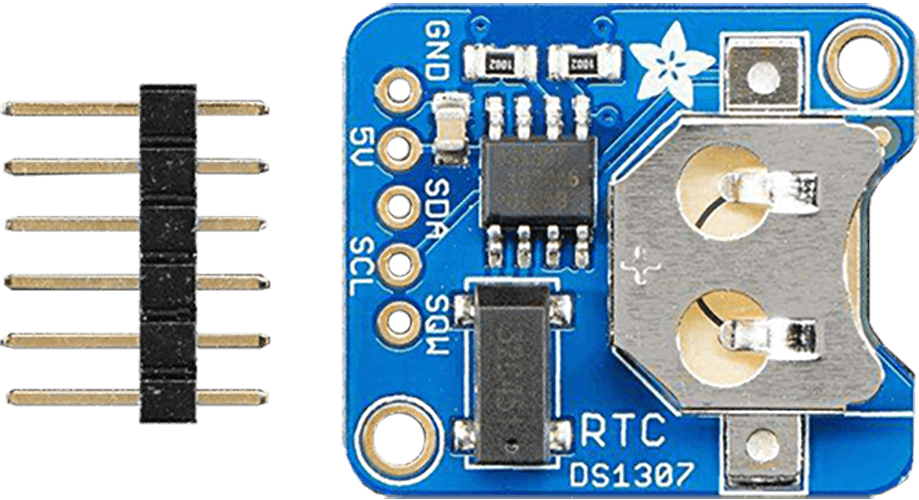
Real Time Clock / Echtzeituhr Modul mit DS3231 kompatiblem Chipsatz für Raspberry Pi mit sehr hoher Genauigkeit.
Article no.: RPI-RTC

Anstatt mit zwei Multimetern, kann mit diesem Praktischen Breakoutboard mit INA219B-Chip sowohl die Spannung als auch der DC-Stromverbrauch über die I2C-Schnittstelle gemessen werden.
Article no.: INA219



Viewed